
Precision steel CNC machining for high-strength, durable custom parts in carbon and alloy steels, from prototypes to low-volume production
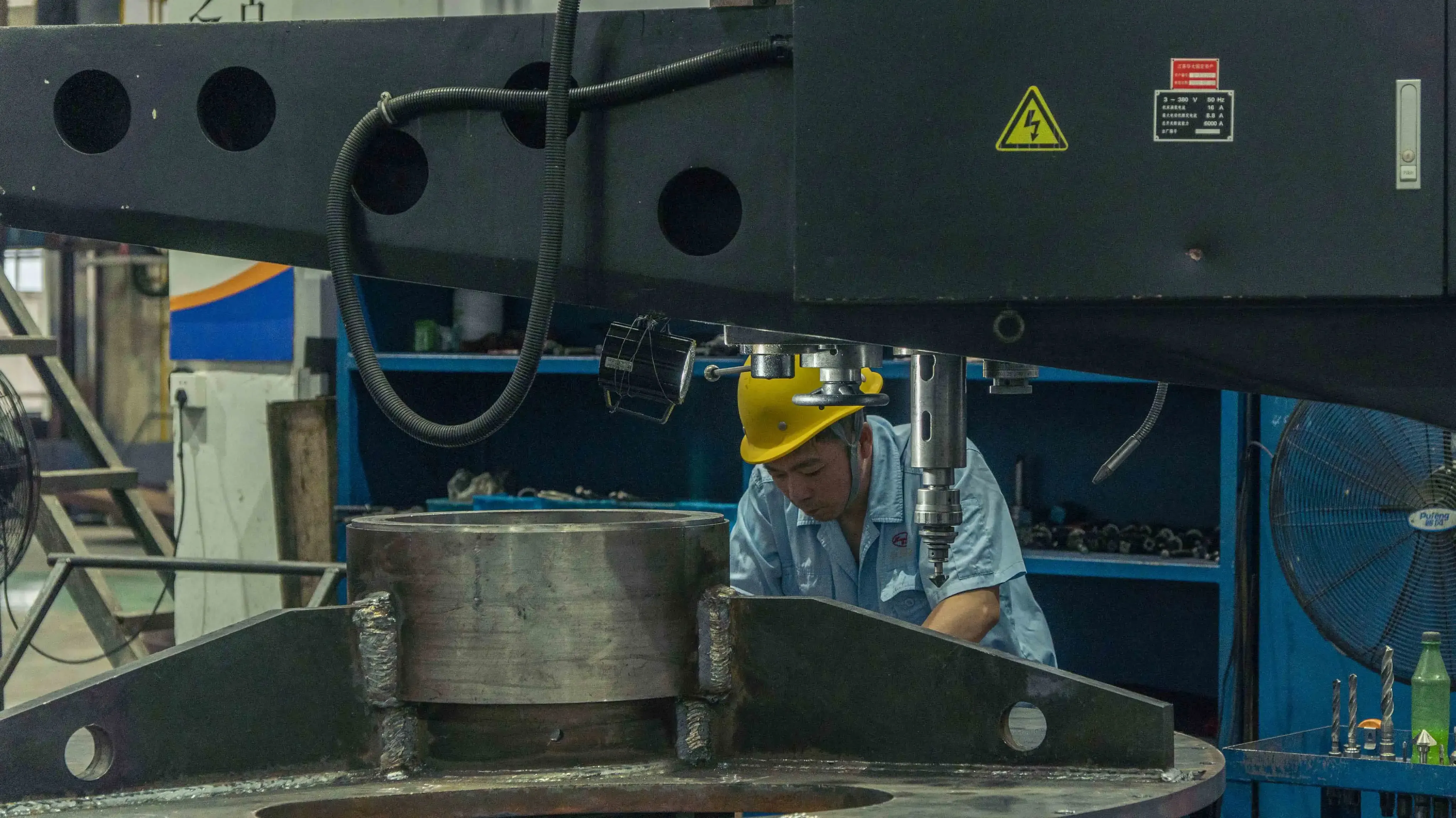
Steel is one of the most widely used materials in precision manufacturing, with established material standards. Its wide use in machinery, automotive, tooling, and industrial equipment.
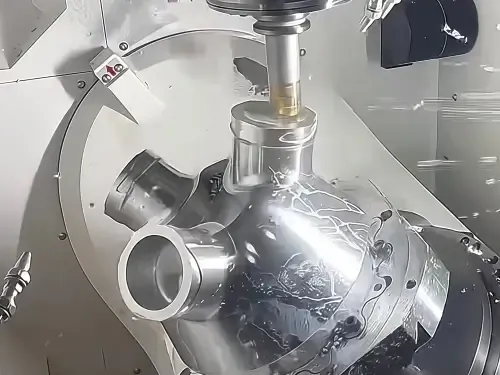
Steel is widely used for components that must withstand high loads, impact, or repeated mechanical stress. Typical applications include shafts, gears, structural brackets, tooling components, and wear-resistant parts.
Many carbon and alloy steels can be quenched and tempered to increase strength and hardness while maintaining useful toughness. Tool steels such as D2, A2, and H13 can be hardened for applications requiring excellent wear resistance and durability.
Low-carbon steels such as A36 and 1018 offer good machinability. 1045 steel provides higher strength and hardness. 4140 and 4340 are commonly selected when greater strength, fatigue resistance, or heat-treatment capability is required. For demanding tooling and wear applications, tool steels such as D2, H13, and A2 provide higher hardness and excellent wear resistance.
Steel provides a balance between material cost and mechanical performance. Steel remains a cost-effective option for structural, load-bearing, and wear-critical components where weight is not the primary concern.
We manufacture a wide range of carbon steels, alloy steels, and tool steels for prototypes and production CNC-machined parts. The table below provides commonly referenced grades across GB (China), AISI/SAE (US), and EN (Europe) standards.
| Steel Type | US (AISI/SAE) | Europe (EN) | China (GB) | Typical Applications |
|---|---|---|---|---|
| Carbon Steel | ||||
| Low-Carbon Steel | A36 | S235JR (1.0038) | Q235 | Brackets, base plates, and structural components |
| Medium-Carbon Steel | 1045 | C45 (1.0503) | 45# | Shafts, gears, pins, and load-bearing components |
| Alloy Steel | ||||
| Cr-Mo Alloy Steel | 4140 | 42CrMo4 (1.7225) | 42CrMo | Shafts, gears, fasteners, and mechanical components |
| Ni-Cr-Mo Alloy Steel | 4340 | 34CrNiMo6 (1.6582) | 40CrNiMoA | High-load and highly stressed mechanical components |
| Tool Steel | ||||
| Cold-Work Tool Steel | D2 | X153CrMoV12 (1.2379) | Cr12MoV | Dies, punches, gauges, and wear-resistant tooling |
| Air-Hardening Tool Steel | A2 | X100CrMoV5 (1.2363) | Cr5Mo1V | Blanking dies and low-distortion tooling |
| Hot-Work Tool Steel | H13 | X40CrMoV5-1 (1.2344) | 4Cr5MoSiV1 | Die-casting dies and hot-work tooling |
| Oil-Hardening Tool Steel | O1 | 90MnCrV8 (1.2842) | 9Mn2V | Gauges, jigs, and general-purpose tooling |
Note: Cross-referenced grades may not be exact equivalents. Chemical composition, mechanical properties, heat-treatment condition, and applicable specifications should be confirmed before production. Additionally, other steel grades are also available. Contact us with your required grade or material specification, and our team will help confirm availability.
Steels have limited inherent corrosion resistance and can rust when exposed to moisture or water after CNC machining. Selecting the right surface finish depends on the part of the environment, application, wear resistance, and appearance.
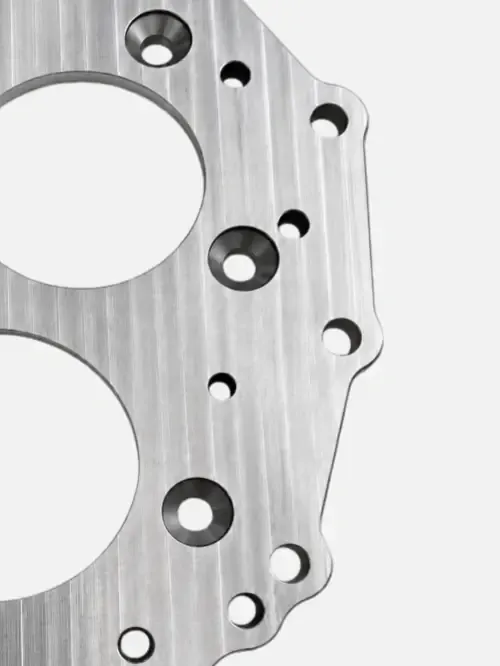
Retains the original CNC machining marks, without any other coating layer, raw steel.
Provides a uniform black finish, to protect the surface from rust, usually has a light oil.
Improves the corrosion resistance of steel parts, and this is an economical way to protect the surface.
Spraying a powder onto the part, creates a durable, thicker coating. Avoid rust and improve appearance.
Provides corrosion protection and a wide range of color options as per Pantone codes.
Provides a conversion coating that improves corrosion protection, lubrication, wear resistance.
Heat treatment improves the hardness, wear resistance, and performance of steel parts. We plan the process types and machining sequence based on material grade, hardness, case depth, and tolerance requirements.
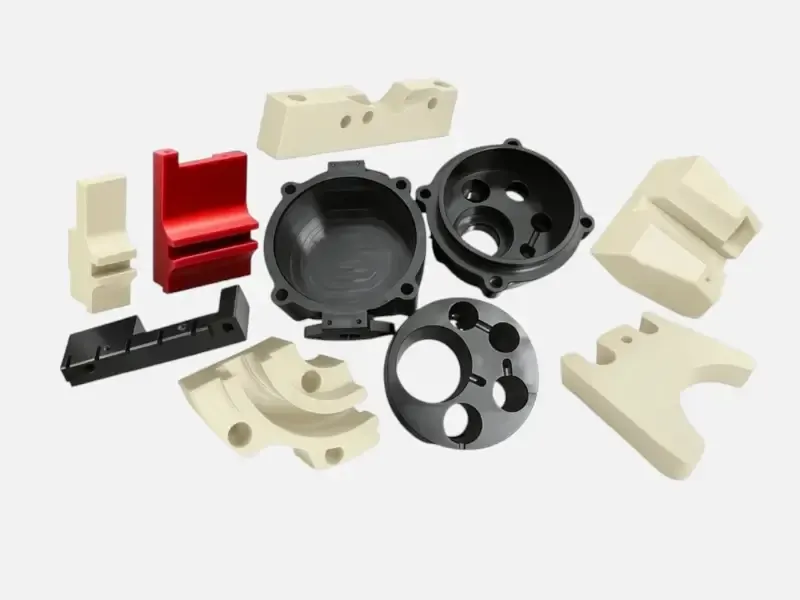
Usually used for carbon and alloy steel parts, such as 1045, 4140, and 4340. The purpose is to achieve a balance of strength, hardness, and toughness.
Carburizing followed by quenching creates a hard surface. It is commonly used for gears, shafts, and other components that require hardness and wear.
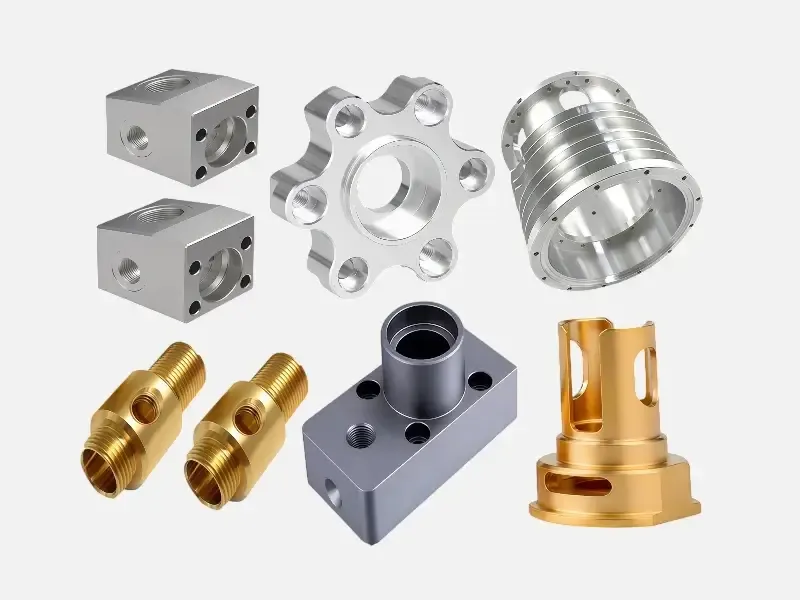
Helps parts reduce distortion and increase hardness. It is well suited for precision shafts, gears, tooling, and high-precision parts.
Reduces residual stresses created during rough machining, welding, or material removal. It is especially for large, thin, or complex steel parts where dimensional stability.
Review some steel CNC machining case studies covering material selection, machining methods, tolerance control, and process production.
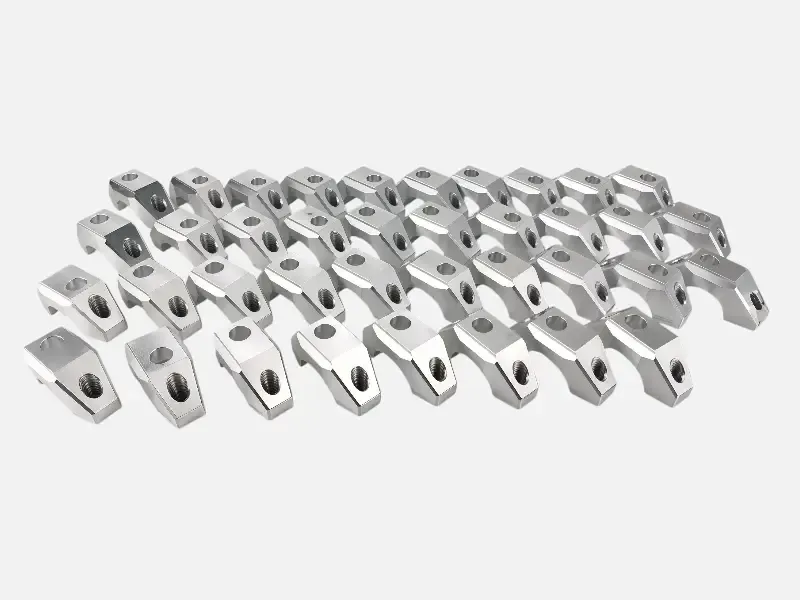
The requirement was flat mating faces and a proper bolt pattern for the motor register. Residual stresses developed in the process of rolling of flat plate from 1045 steel are relaxed during machining causing slight spring of the plate. The solution was to rough-machine both sides with equal stock allowance, keep the part clamped overnight, and finish-machine the mating surface in one pass.
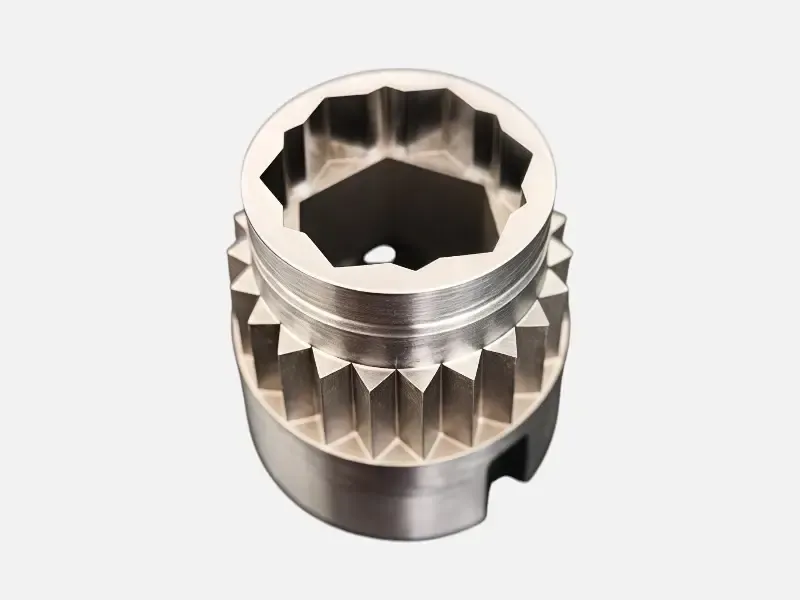
4130 steel machines relatively easily in normalized state but this particular part needed to be turned, milled and EDM’ed in a certain sequence to preserve feature relationships during all three processes. First for establishing the main datum, then external milling was performed and wire EDM’ing of internal gear form referenced to the turned bore. This guaranteed precise positioning of the gear relative to other mating features.
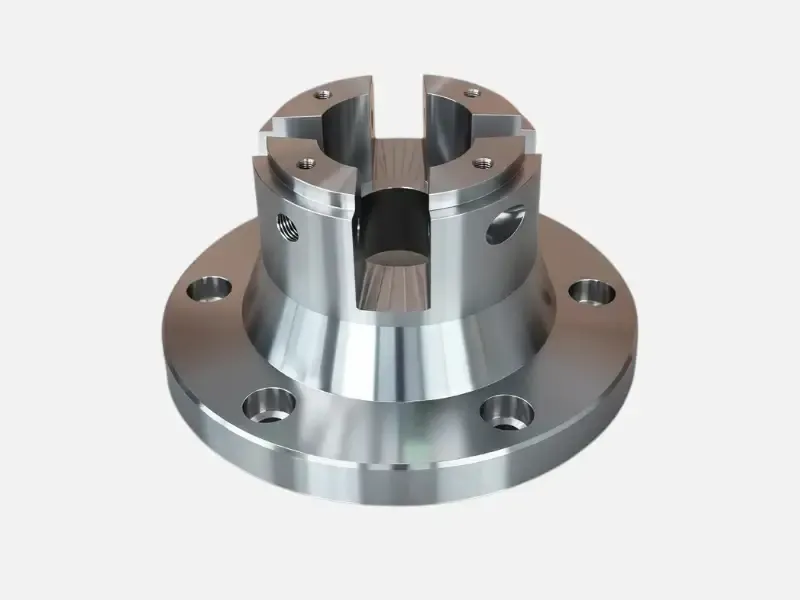
A critical requirement for this shaft was concentricity of flange face and shaft journals which are mating surfaces in the customer’s assembly. The shaft was machined between centers to control runout of both journals, and then the flange face was machined in the same setup to provide perpendicularity of the flange face to the shaft axis.
At Yuejing Machinery, besides steel CNC machining services, we also offer stainless steel, aluminum, and other engineering metals and plastic CNC machining services.
Carbon steels such as 1018 and 1045 are widely used for general mechanical and structural parts. Alloy steel (4140, 4340, 40Cr) contains additional alloying elements that can improve mechanical properties and heat-treatment capability, and may require more controlled machining parameters than carbon steel. Tool steel (D2, H13, A2, O1) is selected for applications requiring high hardness and wear resistance and thus it is machined usually in annealed condition and hardened after machining.
Yes. Hardened steel can be CNC machined using suitable carbide, ceramic, or CBN tooling, depending on the material grade, hardness, geometry, and tolerance requirements. A common approach is to rough machine the part before heat treatment, leave a finishing allowance, and then finish machine or grind critical features after hardening.
For standard CNC machined steel parts, ±0.05 mm is commonly achievable on general features. While tighter tolerances such as ±0.01–0.025 mm can be achieved on selected critical dimensions when the geometry and process allow. Ground surfaces can achieve tighter dimensional and surface-finish requirements when required.
In indoor and dry environments, black oxide with oil or wax is commonly used. In outdoor and humid or salt-spray environments, zinc plating or powder coating are common options when greater corrosion protection is required. If the part will be painted in assembly, phosphate coatings are commonly used to improve adhesion before painting or powder coating. Please specify the operating environment, and we will help you choose the correct finish.
Steel generally requires lower cutting speeds and causes greater tool wear than aluminum, so machining time and tooling costs are often higher for the same geometry. Many carbon and alloy steels have competitive raw-material costs compared with common aluminum alloys, so the total cost depends on geometry, grade of steel, tolerances, and finish. If your application allows either material, please send us the drawing, and we will quote both options.
In indoor and dry environments, black oxide with oil or wax is commonly used. In outdoor and humid or salt-spray environments, zinc plating or powder coating are common options when greater corrosion protection is required. If the part will be painted in assembly, phosphate coatings are commonly used to improve adhesion before painting or powder coating. Please specify the operating environment, and we will help you choose the correct finish.
Add: Building F, No.2 Nanling Road, Xin'er Community, Xinqiao Subdistrict, Bao'an District, Shenzhen, Guangdong Province, P.R.China
Email: 1281883259@qq.com
Phone: +86 18948799832