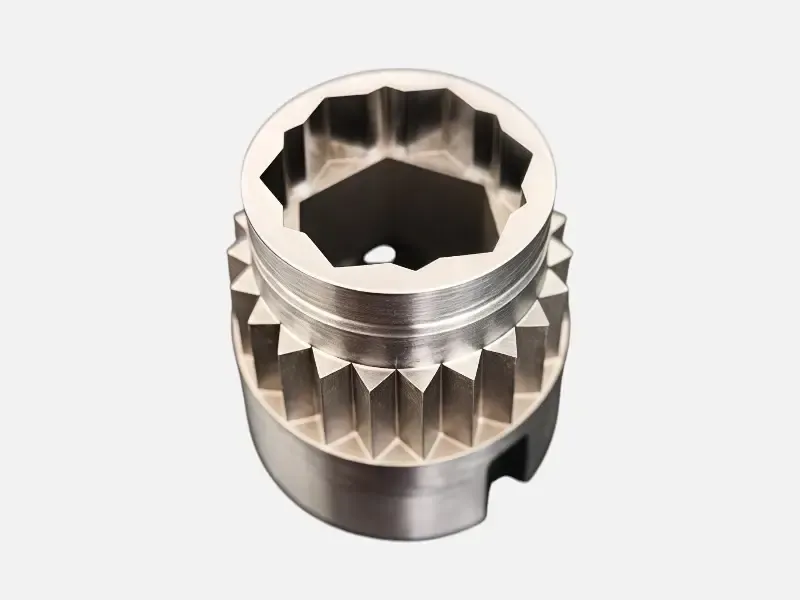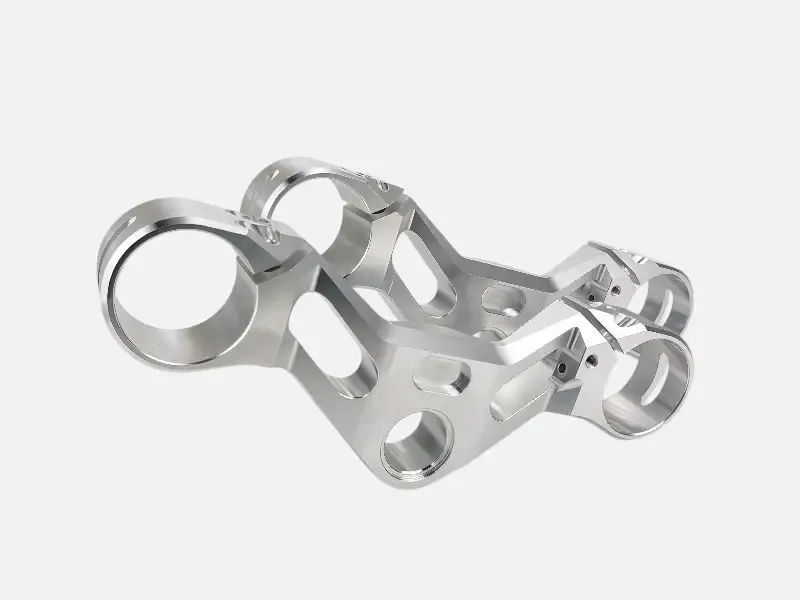
Custom aluminum parts manufactured using precision CNC milling and turning, from prototypes to low-volume production
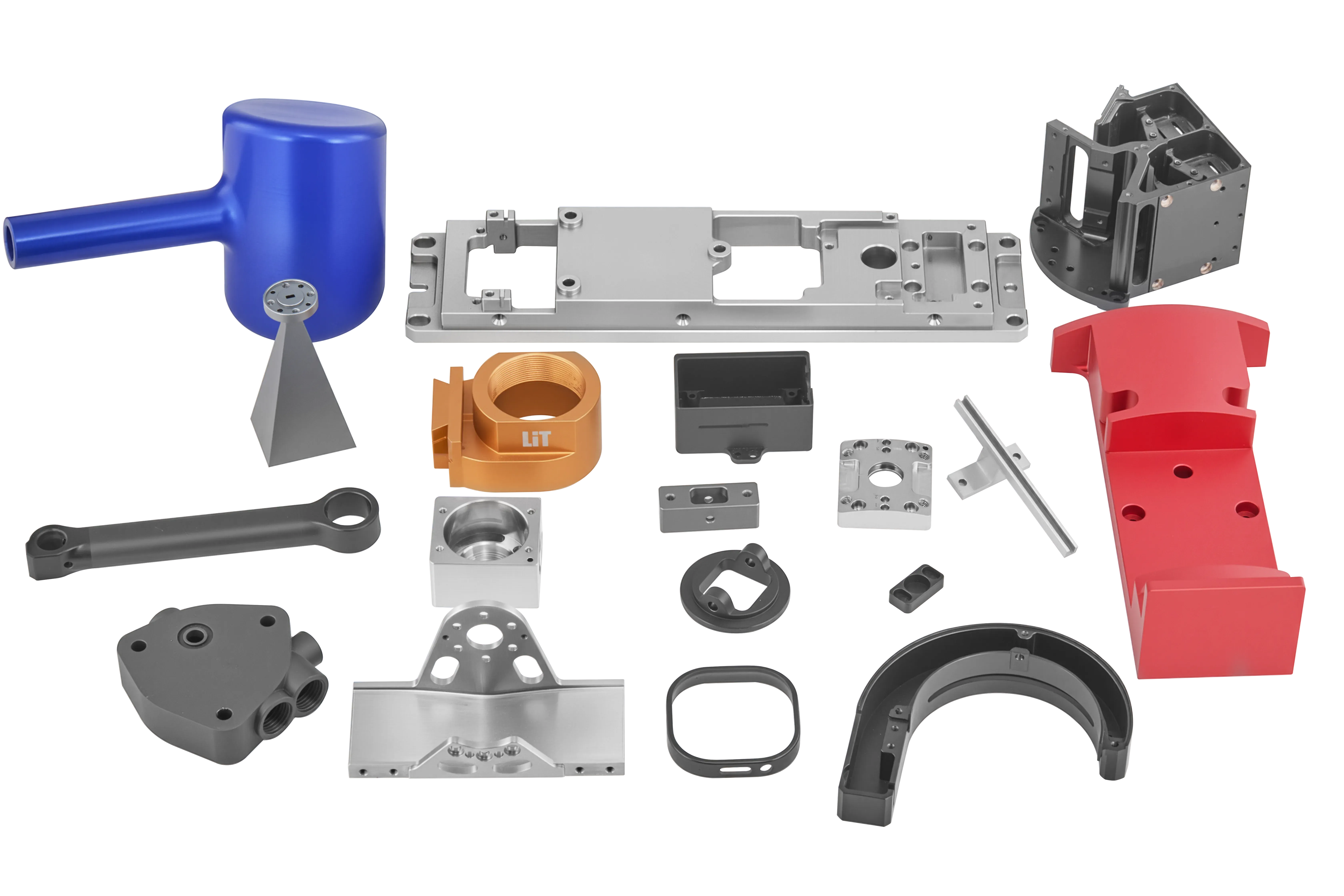
Aluminum cuts faster and costs less than most metals. It is one of the most widely used CNC machining materials throughout the electronics, robotics, and industrial equipment industries
Soft enough to machine at high spindle speeds and aggressive feed rates, thus reducing machining cycle time
Has excellent durability and rigidity, provides reliable mechanical strength for structural components

The density equals about 2.7g/cm³, making it about a third of the weight of steel while still having acceptable strength
Aluminum has natural oxidation protection, preventing it from corrosion even before any finishing treatment is applied.
Good conductivity and heat dissipation, perfect candidate for the creation of heat sinks and electronic components
Lower machining costs compared with many other metals, provides the best combination of price, weight, and strength.
A multitude of different aluminium alloys are available, offering different material properties, and naturally, each alloy has its own machining requirements. Our team is well-versed in aluminum machining, so you can be confident that your parts will be produced efficiently, with excellent surface finish and tight tolerances across a wide range of alloys. 6061 and 7075 are the two most common choices for custom aluminum CNC machining parts.
| Characteristic | 6061-T6 | 7075-T6 |
|---|---|---|
| Primary alloying elements | Magnesium, silicon | Zinc, magnesium, copper |
| Tensile strength | ~310 MPa | ~572 MPa |
| Yield strength | ~276 MPa | ~503 MPa |
| Density | 2.70 g/cm³ | 2.81 g/cm³ |
| Machinability | Excellent | Good |
| Corrosion resistance | Excellent | Moderate |
| Weldability | Good | Poor |
| Relative cost | Lower | Higher |
| Typical applications | Structural parts, common industrial parts, brackets, fixtures | Aerospace, marine, performance automotive, molds, high-load parts |
Commonly used for aluminum extrusion profiles with secondary CNC machining
Commonly used for structural parts, frames, and industrial components
For marine components and sheet parts requiring saltwater resistance
Ideal for marine, pressure vessels, and heavy-duty applications.
For aerospace components requiring high fatigue strength
Suitable heavy-duty and precision-machined parts
Our company offers different surface treatments for CNC machined aluminum parts, from anodizing to powder coating. You receive the parts with the desired surface finish without any additional effort from your side. Let us know your requirements regarding surface finish, its color, and protective properties, and we will take care of this.
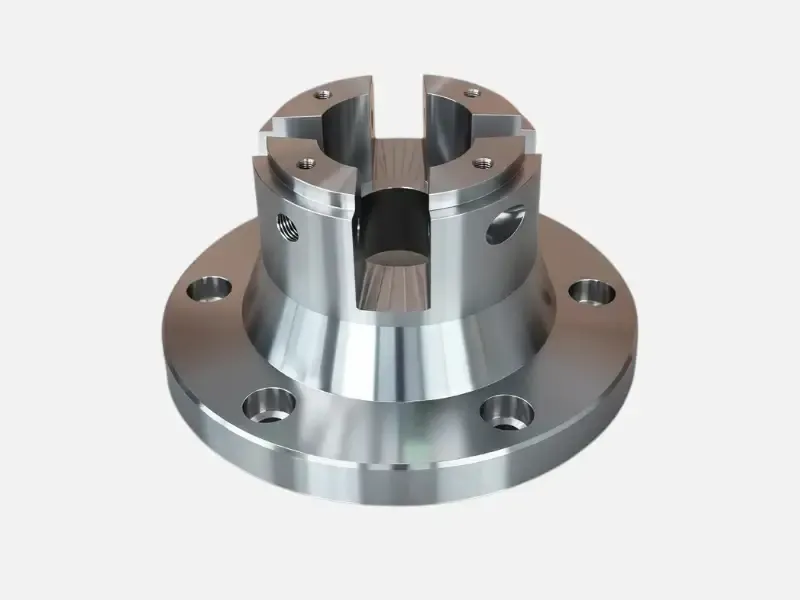
Natural aluminum finish with visible tool marks, Ra 3.2 μm standard
Type II anodizing (5–25 μm) is widely used with multiple color options
Wet painting, provides basic surface protection and color matching
With strong impact and chip resistance, ideal for industrial and outdoor applications
Creates a smooth, reflective finish with Ra 0.2–0.8 μm, suitable for aesthetic aluminum parts
Alodine, Hardcoat anodizing, Brushing, Bead blasting, Plating, Laser engraving
Our CNC aluminum machining parts follow ISO 2768-m general tolerances unless otherwise specified. We typically achieve ±0.05 mm standard machining tolerances, with precision features requiring ±0.01–0.025 mm available upon request. For critical dimensions, tolerances down to ±0.005 mm can be achieved depending on part requirements and manufacturing conditions.
| Tolerance Level | Achievable Tolerance | Typical Application |
|---|---|---|
| General Default | ISO 2768-m | Unspecified dimensions on engineering drawings |
| Standard | ±0.05 mm | General CNC machined features |
| Precision | ±0.01–0.025 mm | Specified dimensions on your drawing or PDF |
| Critical Dimensions | Down to ±0.005 mm | Critical features requiring tight tolerance control |
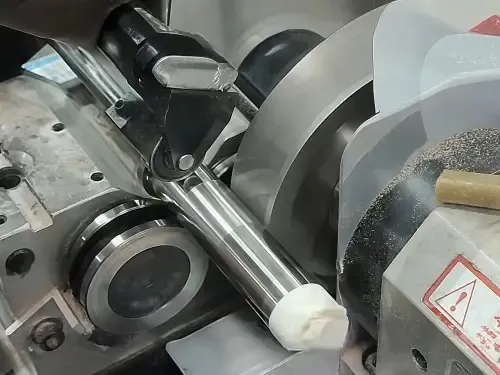
With comprehensive milling and turning capabilities under one roof, we provide in-house machining solutions for a wide range of aluminum parts, from prototypes to production runs.
Some key design choices have a significant impact on machining cost and lead time.
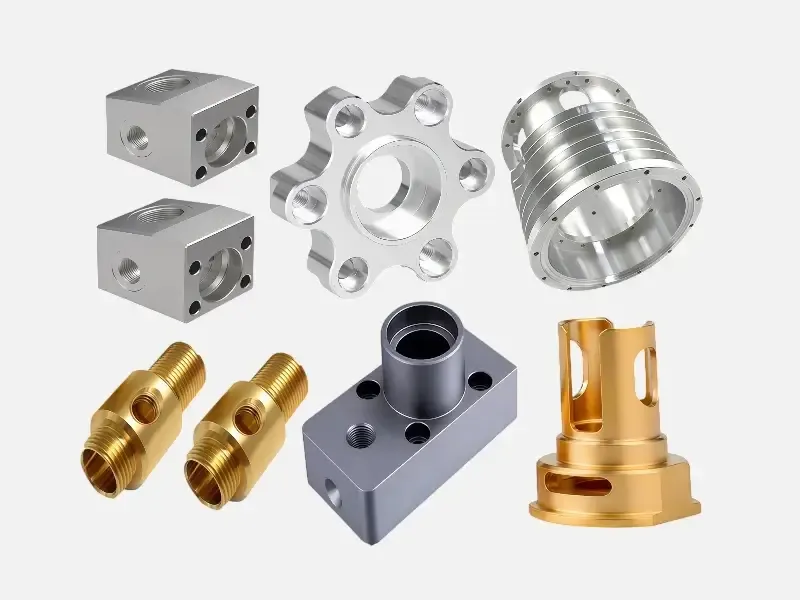
End mills are round, a 90-degree straight internal corner cannot be machined. Adding a radius (min R1.2) allows using CNC milling, instead of using another process increase the cost
Thin walls chatter and bend during machining, causing loss of accuracy and sometimes even breaking of the part. Thus, it’s better to avoid walls less than 1 mm thick
Deep cavities require long and thin tools prone to vibrations. Therefore, it’s better to divide such features into several steps to reduce machining time
Every tolerance increases the cost due to additional inspection and often requires a second setup.
Such as 6061 is cheaper and can be machined more quickly than 7075.
The cost of setup and programming is distributed among parts of the batch. The bigger the batch, the lower the cost per part balance
See some of the aluminum CNC parts we have manufactured, highlighting different materials, machining methods, and production challenges.
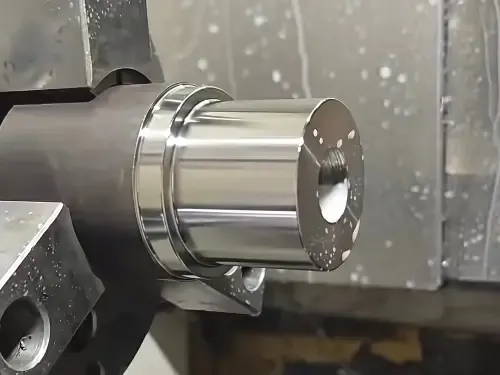
The thin, twisted blades and deep narrow flow channels make this impeller challenging to machine. Our team uses 5-axis CNC machining with optimized tool approach angles and cutting parameters to prevent chatter and maintain surface quality. The single setup also ensures consistent blade-to-blade accuracy
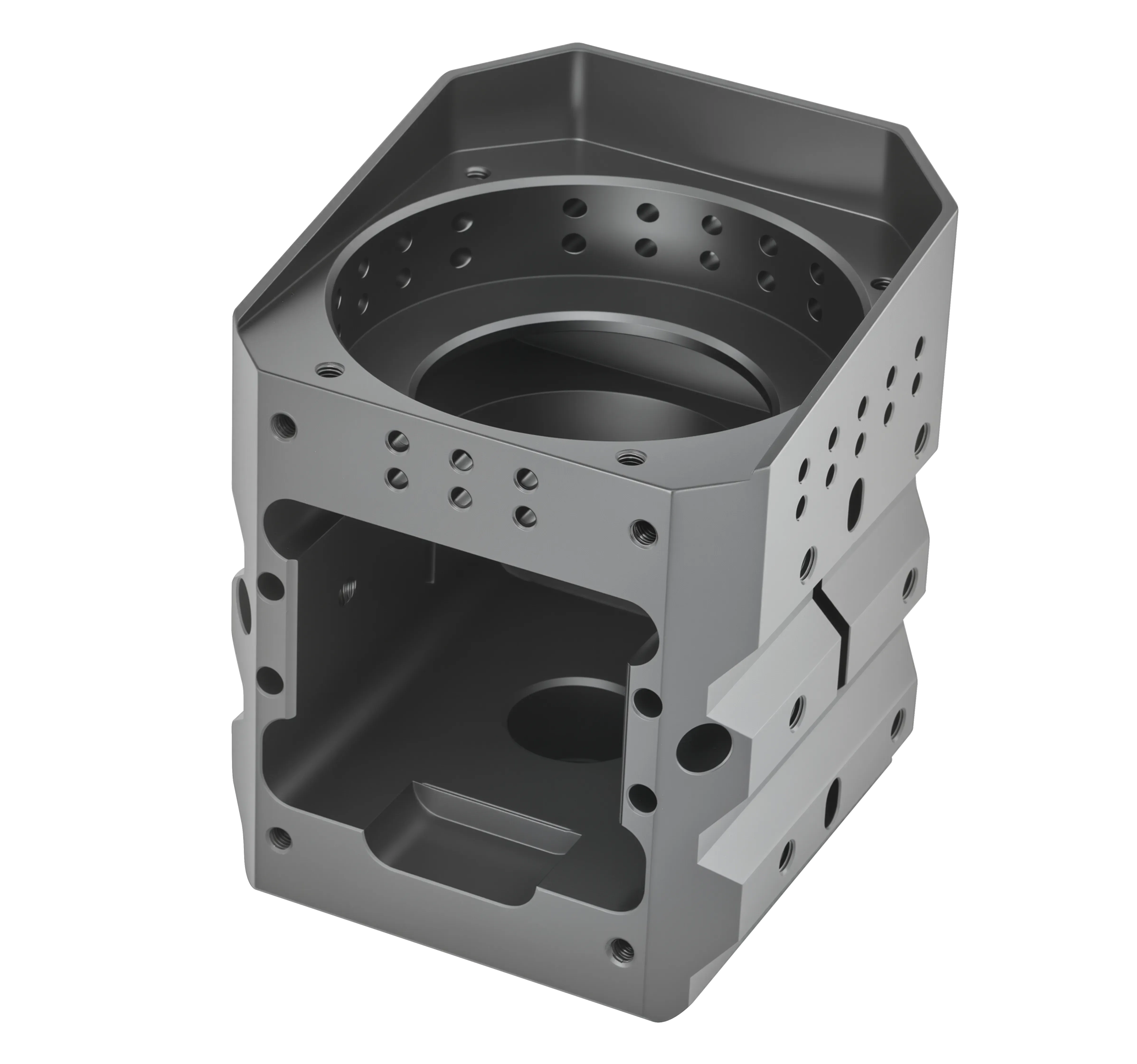
The industrial housing part of the problematic feature is the deep pocket. We had to clean this pocket without any chatter of the wall, while maintaining accurate mating faces and bores for internal parts positioning. The pocket was machined accurately and then anodized with sandblasting. The completed part was delivered ready for assembly.
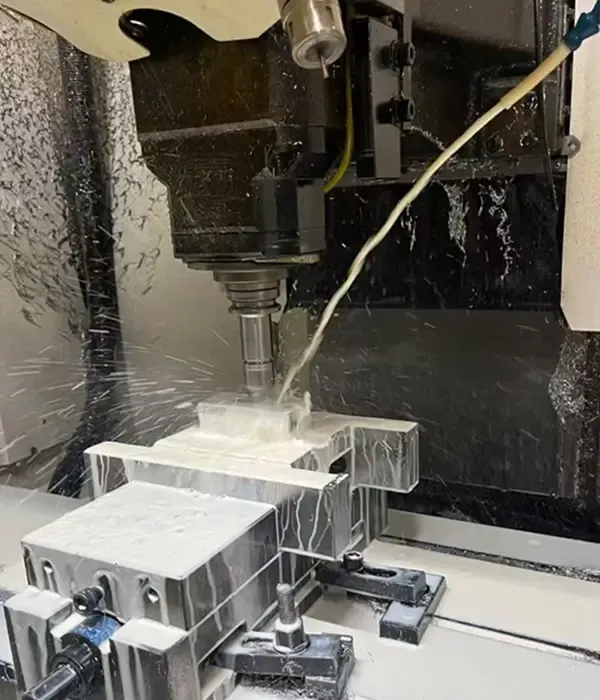
CNC machining of 7075 aluminum, it releases residual stress that wants to pull the part out of true. To avoid this, we adjusted the roughing and finishing operations sequence and balanced material removal, allowing the stress to release
In addition to aluminum CNC machining services, we also provide such as steel, stainless steel, and other engineering metals and plastic materials.
For most CNC machined aluminum parts, we recommend of 6061. This grade is machinable, corrosion-resistant, and cost-efficient. Switch to 7075 if you require maximum strength, for example, for aerospace or high-load tooling.
Yes. We manufacture aluminum parts up to 1800 × 1500 mm in size. Our work holding system ensures precise manufacturing of long parts end to end. Just let us know your part size and we will confirm that it can be machined.
Yes. MOQ is 1 piece, so you can order prototypes or production lots. After prototype sample approval, we’ll manufacture the batch production as the sample.
Unless specified, ISO 2768-m applies to general dimensions. The standard features are held to ±0.05 mm. For precision tolerance, ±0.01 to 0.025 mm can be achieved as per your drawing. Up to ±0.005 mm on critical features by grinding and high-precision 5 Axis CNC machining.
Yes. We offer anodizing surface finishing in Type II and Type III. Besides this, such as powder coating, painting, plating, and other finishing processes on request. If you have specific requirements, just let us know. We’ll apply them to the surface of your parts with them.
Parts can be inspected according to your drawings using micrometer, tenth-micron micrometer, or CMM. FAI and test report are available upon request. We are ISO 9001 certified.
Add: Building F, No.2 Nanling Road, Xin'er Community, Xinqiao Subdistrict, Bao'an District, Shenzhen, Guangdong Province, P.R.China
Email: 1281883259@qq.com
Phone: +86 18948799832